

The United Nations’ top human rights official warned Thursday that escalating drone warfare in Sudan’s brutal civil conflict is exacting a devastating toll on civilians, with more than 200 people reportedly killed in drone strikes in just over a week.
UN High Commissioner for Human Rights Volker Türk said he was “appalled” by the growing use of powerful drones in populated areas, urging all sides to halt indiscriminate attacks and comply with international humanitarian law.

Since March 4, waves of drone strikes have struck markets, hospitals, schools and residential areas as the war between the Sudanese Armed Forces and the paramilitary Rapid Support Forces intensifies.
“Despite repeated warnings and appeals, parties to the conflict continue to deploy increasingly powerful drones carrying explosive weapons with wide-area impacts in populated areas,” Türk said in a statement.
Markets, hospitals and schools caught in crossfire
The heaviest reported casualties have come from Sudan’s war-torn Kordofan region.
In the town of Muglad in West Kordofan, at least 50 civilians were killed on March 4 when drone strikes hit a crowded market and a hospital, according to the UN rights office. Overall, at least 152 civilians were reportedly killed by drone attacks attributed to the army in the region.
Additional strikes on markets in RSF-controlled towns, including Abu Zabad and Wad Banda on March 7, killed at least 40 people.
Days later, another drone strike reportedly hit a truck carrying civilians in Al-Sunut, leaving at least 50 people dead.
Aid workers say the attacks reflect a growing reliance on unmanned weapons systems as both sides battle for territory across Sudan’s fragmented front lines.
War spreads toward White Nile
Türk also voiced alarm that fighting is expanding eastward into the White Nile state.
A drone strike blamed on the RSF hit a secondary school and a health clinic in Shukeiri village on March 11, reportedly killing at least 17 civilians, most of them schoolgirls.
Other drone attacks struck the state capital Kosti in recent days.
One drone hit a university dormitory on March 9, injuring seven students, while another damaged a power transformer at the Um Dabakir station, triggering widespread electricity outages.
The U.N. humanitarian office, United Nations Office for the Coordination of Humanitarian Affairs, warned that the growing use of drones across the country is “exacting a growing toll on civilians.”
Deadly strike near Chad border
Violence continued Thursday near Sudan’s western frontier.
Explosions ripped through the Adikong border market in West Darfur after a drone strike hit fuel reserves, killing four people and wounding more than two dozen civilians, according to Médecins Sans Frontières.
Aid officials said 23 people were injured in the blast, including seven children and four women. The medical group blamed the strike on the Sudanese army and noted it was the second fatal drone attack in the area in less than a month.
Sudanese military officials did not issue a public statement, though two officials said operations were underway targeting RSF positions nearby.
War nearing its third year
Sudan descended into war in April 2023 after a power struggle between the army and the RSF erupted into open fighting in the capital, Khartoum, before spreading across the country.
The conflict has since devastated Africa’s third-largest nation. The United Nations estimates more than 40,000 people have been killed, though aid organizations believe the real toll may be far higher.
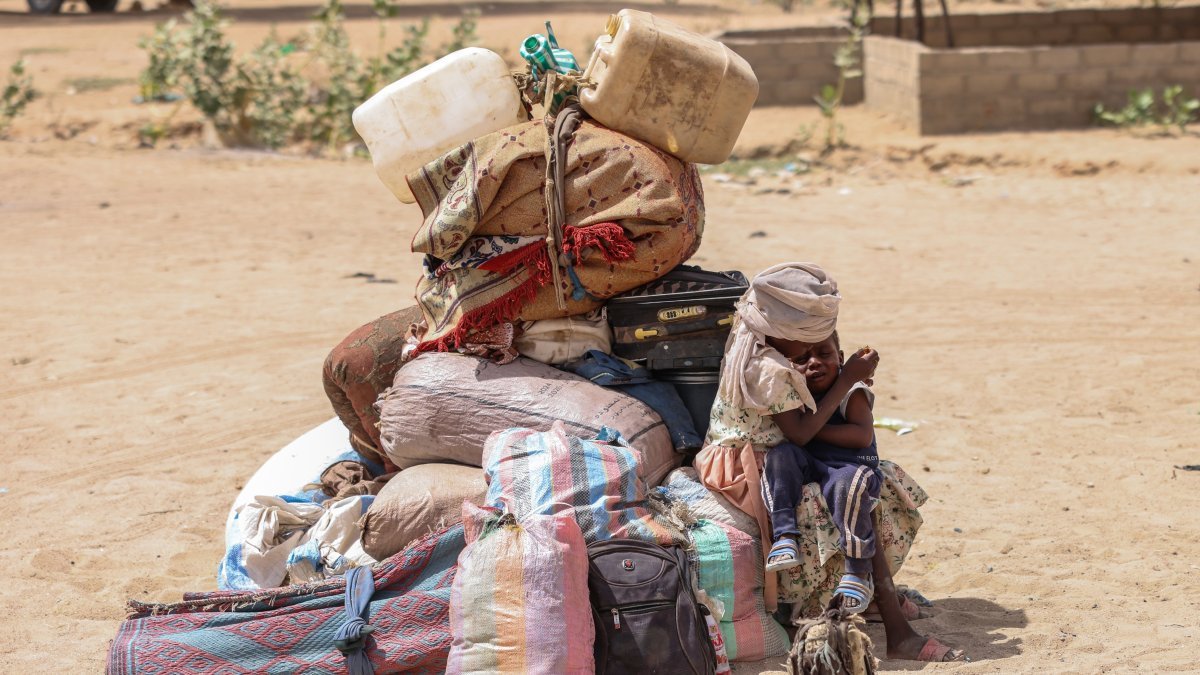
Nearly 11 million people have been forced from their homes, making Sudan home to one of the world’s largest displacement crises.
Regions such as Darfur and Kordofan have become epicenters of the fighting, where the growing use of drones has complicated humanitarian operations and amplified civilian suffering.
“It will soon be three full years since this senseless conflict began,” Türk said. “The violence, fueled by new technologies of war, keeps spreading. The Sudanese people have already suffered far too much.”

